
Greenville, SC
Underbrush Removal Services in Greenville, SC
Overgrown underbrush does more than block a view. Thick vegetation crowding a fence line or a wooded lot edge gives ticks, snakes, and rodents a place to hide close to where people actually walk, work, and let kids or pets outside. It also blocks sightlines a property owner needs, along a driveway, around a barn, or across a pasture, and it turns dead limbs and dry brush into fuel the moment a spark gets anywhere near it. Left alone long enough, what started as a strip of unmanaged growth becomes the reason a property feels smaller and less usable than it actually is.
Greenville sits in the foothills of the Blue Ridge Mountains and picks up roughly 47 inches of rain most years, conditions that push privet, kudzu, and blackberry bramble through several growth cycles before a single summer even ends. A fence line or a wooded lot edge left unmanaged for one season here does not just grow back; it thickens, and what was passable brush in spring becomes a solid wall of vegetation holding moisture, ticks, and hidden ground cover by fall.
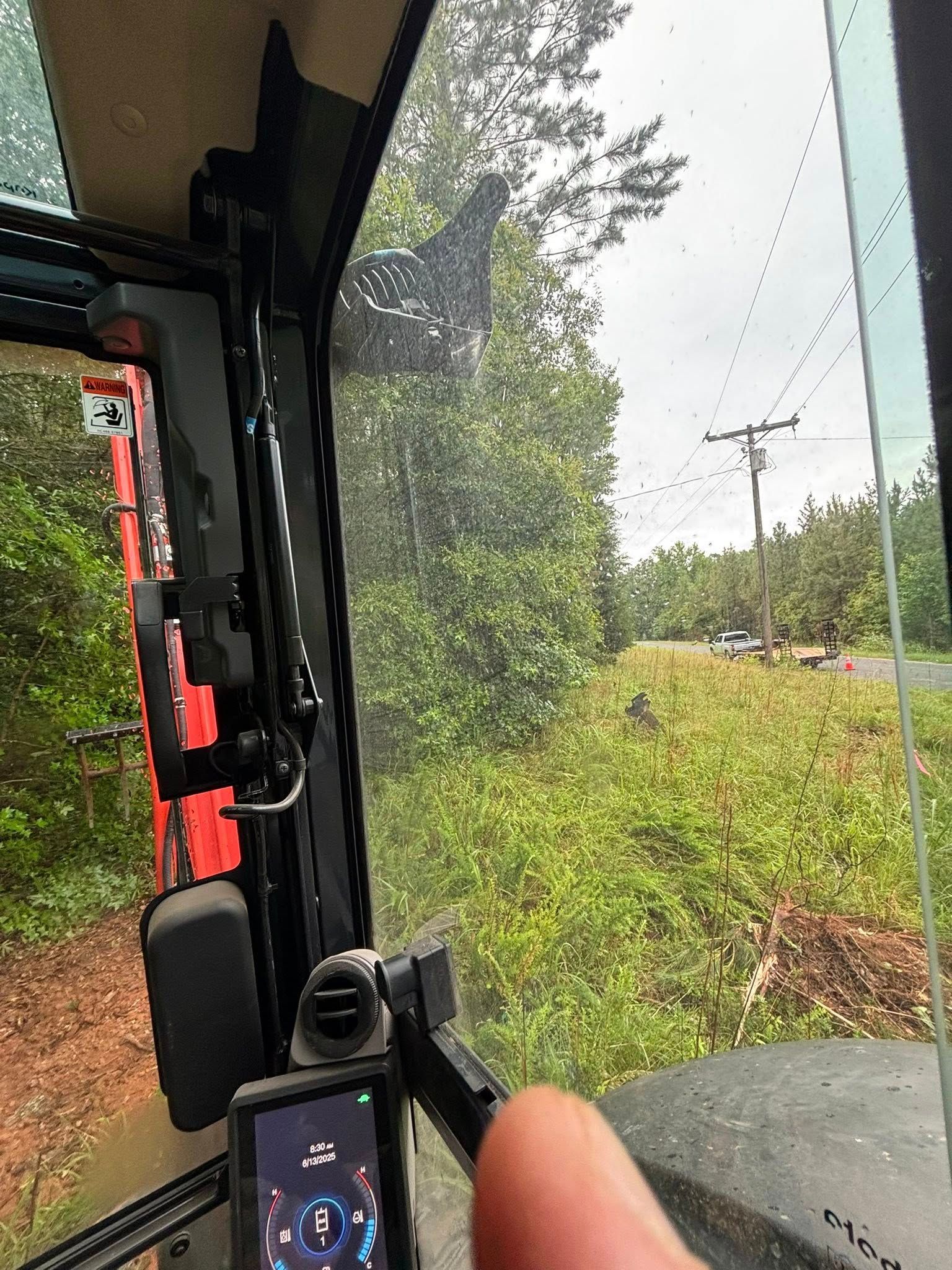
For over 15 years, JP Grading has provided experienced underbrush removal services in Greenville, SC, alongside grading, land clearing, hydroseeding, storm damage cleanup, and demolition work. Every underbrush job begins with a close, careful walk of the property first, so we know exactly which trees and root systems to protect and which growth actually needs to come out before a single blade goes to work. We haul the debris away too, so the property is genuinely finished rather than just cut back and left behind in piles.
About Greenville, SC
Greenville is the county seat of Greenville County and the sixth-largest city in South Carolina, with just over 70,000 residents inside the city limits and a metro population approaching one million, the largest in the state. The city was established in 1797, incorporated in 1831, and grew up as a mill town along the Reedy River corridor. Falls Park on the Reedy anchors downtown, built around the falls of the Reedy River and the Liberty Bridge that curves out over them, and Furman University has called the city home since 1851.
The Reedy runs straight through the middle of Greenville on its way to join the Saluda River. Greenville sits in the foothills of the Blue Ridge Mountains, a landscape of rolling, closely packed hills spread across roughly 30 square miles. The city averages about 47 inches of rain a year, more than enough to keep vegetation growing through most of the calendar and to push root systems deep into the surrounding hillsides.
How Fast Underbrush Regrows on a Greenville Property
Underbrush left alone in this climate does not creep back slowly. Privet, blackberry bramble, and vine growth exploit any gap in the canopy, and a strip of fence line or lot edge that looked manageable in early spring can be shoulder-height and impassable by the time school lets out for summer.
That density creates real hazards beyond the inconvenience. Thick, low vegetation holds humidity against the ground, which is exactly the kind of habitat ticks and snakes prefer, and it hides fallen limbs and dry, dead material that becomes fuel the moment conditions turn dry enough for a spark to catch and spread.
Selective removal matters more here than a full clear-cut would. Cutting the brush back to bare ground while leaving mature trees and their root systems in place keeps a Greenville property's natural drainage intact, so the area stays usable and stable rather than needing repair work on top of the clearing itself.
Our Services in Greenville, SC
Reading a Property Before Underbrush Removal Begins
Not every overgrown section of a property needs the same treatment. A fence line choked with privet calls for a different approach than a wooded lot edge holding mature trees with brush crowding the understory, and treating both the same way either wastes effort or leaves hazards behind that a more careful, deliberate pass would have caught.
Equipment choice matters just as much as where the crew starts cutting. Running heavy machinery across wet ground packs the dirt down hard enough that rainwater sheds off the surface instead of soaking in, turning a cleared area into standing water after the next storm rather than the usable space the owner wanted.
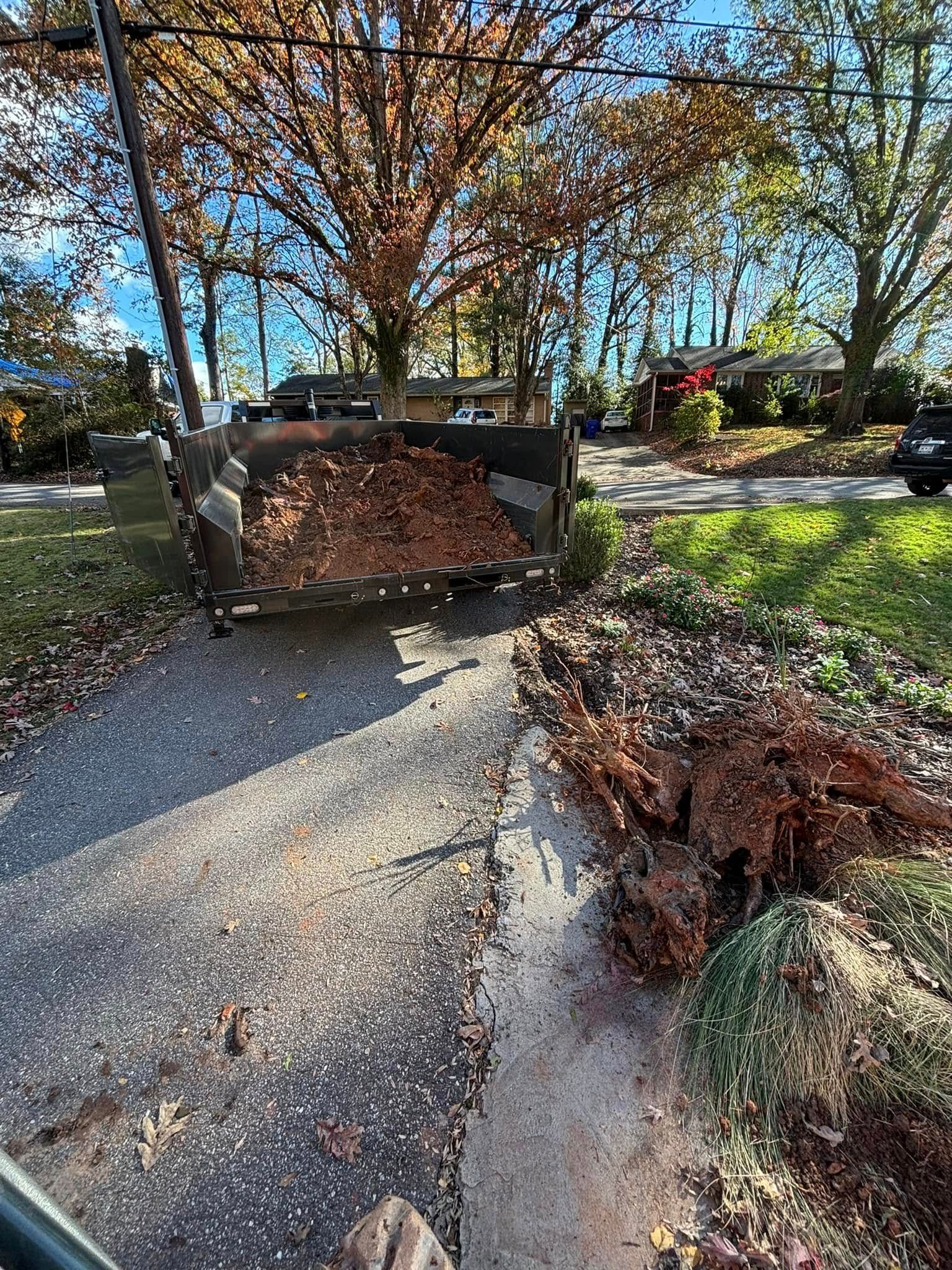
A proper underbrush removal plan also accounts for what happens after the cutting. Piles of brush and downed limbs left on-site just become fuel and habitat again within a season, so hauling the debris away and disposing of it properly is as much a part of the job as the clearing itself, not an optional add-on.
Why Greenville Residents Trust JP Grading
We've been an expert underbrush removal team in Greenville, SC for over 15 years, and in that time we've learned clearing brush is as much about restraint as it is about equipment. Taking out only what genuinely needs to go keeps a property's root systems and drainage intact instead of trading one problem for another.
We remove the debris ourselves rather than leaving it in piles for the property owner to deal with later, and we walk every job site before we start cutting so the trees worth keeping stay marked and protected. That habit alone has saved more than a few Greenville properties from unnecessary damage.
Fence lines choked with bramble, wooded lot edges, and pastures that have gone unmanaged for a season too long all get the same approach from us: treat every underbrush job as a real chance to leave the property genuinely better than we found it, not just temporarily tidier until the next growing season.
Hire Us! Reliable Underbrush Removal Services in Greenville, SC
When you hire JP Grading for reliable underbrush removal services in Greenville, SC, the first step is always walking the entire property together in person first. We look at what has to come out, what should stay, and where the debris needs to go, then scope the job honestly instead of guessing from a photo.
From there, we talk through what the ground will actually need once the brush is gone, whether that means hydroseeding a cleared slope or simply leaving the natural drainage completely undisturbed. Reach out through our contact page or send us a message with a few details about the property and what has grown over it.
Lot edges, fence lines, pastures, and storm-damaged sections of a Greenville property all fall within what we regularly handle. We would much rather see and review the ground in person than quote work sight unseen entirely, so getting started begins with an honest, upfront conversation about what your property actually needs.
Frequently Asked Questions
1. Should underbrush removal happen before hydroseeding a property?
Yes, typically. Clearing brush and dead growth first gives grass seed and hydromulch a clean surface to establish on, rather than competing with old root systems and shade from overgrown vegetation that would choke out new growth before it takes hold.
2. What's the biggest risk when clearing underbrush near mature trees?
Damaging the root systems those trees depend on. We identify which trees are worth protecting before cutting begins, since careless equipment use near a trunk can weaken a healthy tree even when the surrounding brush gets cleared correctly.
3. Can underbrush removal help reduce ticks around my property?
It genuinely can. Thick, low vegetation holds humidity close to the ground, which is exactly the kind of habitat ticks favor, so opening up that growth and clearing dense brush near where people walk noticeably cuts down on where ticks can hide.
4. Will removing underbrush improve visibility along my fence line?
Yes, that's one of the most common reasons property owners call us. Bramble and privet crowding a fence line block sightlines you need for security, for spotting property lines, or just for keeping an eye on livestock and pets.
5. Do you clear underbrush on hunting or recreational land?
Regularly. Overgrown trails and shooting lanes get choked out fast in this climate, and clearing the underbrush back opens up access for hunting leases, ATV trails, and general recreational use without touching the mature timber property owners want kept.
6. Is underbrush removal a good step before installing a fence?
Yes, it usually should come first. Clearing brush and root growth along the line gives a fence crew a clean path to work with, and it keeps future growth from pushing against posts and panels once the fence goes in.
7. Can underbrush removal work around septic lines or utilities?
Yes, we identify what's buried or marked on a property before cutting begins. Underbrush removal near septic fields or utility easements gets handled carefully, clearing overgrowth without disturbing what's underneath it, so the property stays functional once the brush is gone.
8. How do I get an underbrush removal project started in Greenville?
Send us a message with a bit about the property and what's grown over. We'll walk the site together, decide what needs to come out and what should stay, and scope the job honestly before anything gets cut.
1. Should underbrush removal happen before hydroseeding a property?
Yes, typically. Clearing brush and dead growth first gives grass seed and hydromulch a clean surface to establish on, rather than competing with old root systems and shade from overgrown vegetation that would choke out new growth before it takes hold.
2. What's the biggest risk when clearing underbrush near mature trees?
Damaging the root systems those trees depend on. We identify which trees are worth protecting before cutting begins, since careless equipment use near a trunk can weaken a healthy tree even when the surrounding brush gets cleared correctly.
3. Can underbrush removal help reduce ticks around my property?
It genuinely can. Thick, low vegetation holds humidity close to the ground, which is exactly the kind of habitat ticks favor, so opening up that growth and clearing dense brush near where people walk noticeably cuts down on where ticks can hide.
4. Will removing underbrush improve visibility along my fence line?
Yes, that's one of the most common reasons property owners call us. Bramble and privet crowding a fence line block sightlines you need for security, for spotting property lines, or just for keeping an eye on livestock and pets.
5. Do you clear underbrush on hunting or recreational land?
Regularly. Overgrown trails and shooting lanes get choked out fast in this climate, and clearing the underbrush back opens up access for hunting leases, ATV trails, and general recreational use without touching the mature timber property owners want kept.
6. Is underbrush removal a good step before installing a fence?
Yes, it usually should come first. Clearing brush and root growth along the line gives a fence crew a clean path to work with, and it keeps future growth from pushing against posts and panels once the fence goes in.
7. Can underbrush removal work around septic lines or utilities?
Yes, we identify what's buried or marked on a property before cutting begins. Underbrush removal near septic fields or utility easements gets handled carefully, clearing overgrowth without disturbing what's underneath it, so the property stays functional once the brush is gone.
8. How do I get an underbrush removal project started in Greenville?
Send us a message with a bit about the property and what's grown over. We'll walk the site together, decide what needs to come out and what should stay, and scope the job honestly before anything gets cut.
CLIENT TESTIMONIALS
I've used Justin (JP Grading, LLC) a couple times and he does great work at a fair price. The quality is outstanding and he's prompt, courteous and professional!!
Jeffery H.
Justin is very responsive and on top of everything! He pays attention to details. I enjoyed working with him. Will definitely work him on other projects!
Carlos T.
Excellent worker did a great job ‘
Gene C.