
Greenville, SC
Storm Damage Cleanup in Greenville, SC
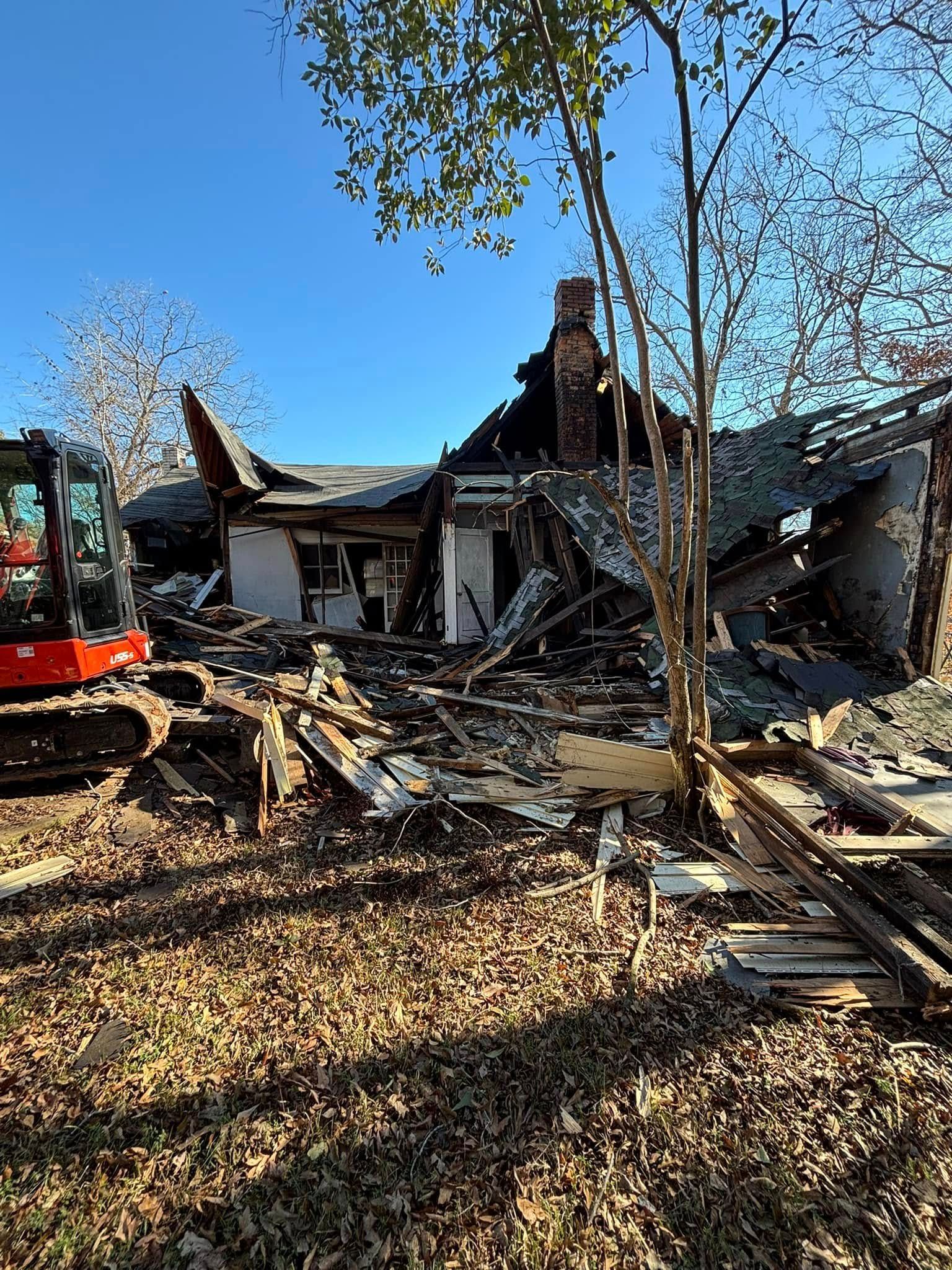
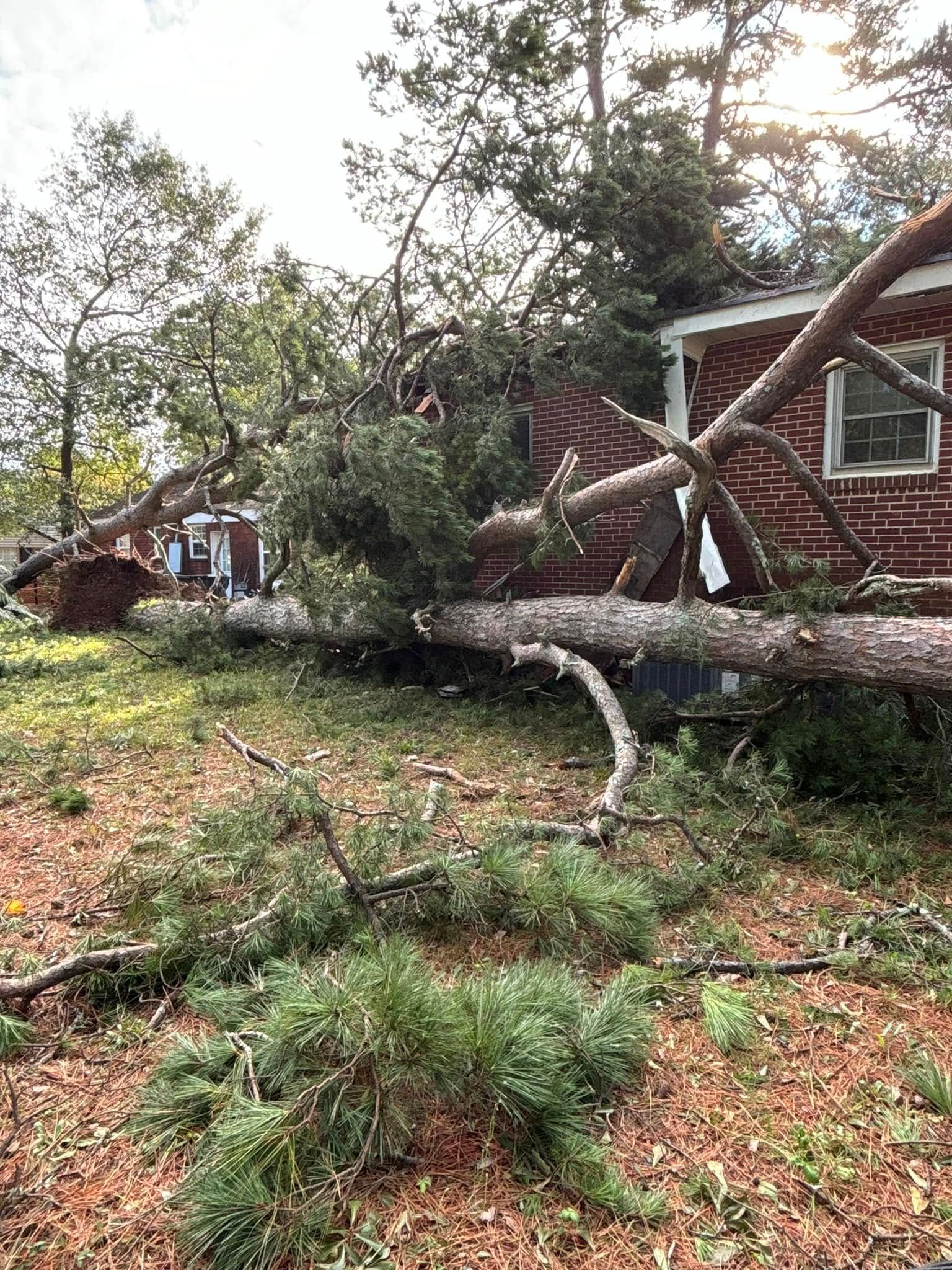
Storms leave more behind than most people expect. One hard wind can drop a trunk across a driveway, hang a cracked limb over a roofline, and bury a yard under branches that hide holes, wire, and broken fence rails. Until all of it is cleared, the lot can't be used safely, and each new rain pushes debris deeper into drainage paths and soft ground. Adjusters, utility crews, and repair contractors all need clear access before they can start. Thorough storm damage cleanup in Greenville, SC gives owners a clear site again, reopens blocked access, and removes the leaning trees and loose timber that could cause a second round of damage.
Local weather gives storm crews plenty of work. The city collects about 47 inches of precipitation a year, so wet ground can loosen a tree's grip long before the wind peaks. When Hurricane Helene moved through in 2024, fallen trees and closed streets showed how fast a storm can overwhelm a neighborhood. Lots that have mature trees close to homes, fences, and driveways need safe fallen tree removal in Greenville, SC before a damaged trunk or limb turns one problem into several.
Locally owned and operated, JP Grading brings over 15 years of excavation work to every cleanup, and we've provided dependable storm damage cleanup in Greenville, SC for residential, commercial, and agricultural properties alike. Our crews arrive with specialized equipment, size up the hazards first, open the access routes, and only then work through the debris, so the most urgent problems get solved before the cosmetic ones. We pair that equipment with clear communication from the first call to the final cleanup, which keeps storm recovery steady for the property owner.
About Greenville, SC
Greenville is the county seat of Greenville County, set roughly halfway between Atlanta and Charlotte along Interstate 85. The city covers about 30 square miles, and the Reedy River runs through its center, past Falls Park on the Reedy and the Liberty Bridge, a pedestrian suspension bridge completed in 2004, which sits inside the park.
Cleveland Park, McPherson Park, and Unity Park anchor residential streets close to downtown, while Interstate 385, Interstate 185, and U.S. 276 feed traffic into the city. The Swamp Rabbit Trail, a greenway of about 22 miles that gained a 4.5-mile extension in 2023, ties many of those neighborhoods together.
Climate shapes life here as much as geography does. July averages about 80 degrees, winters run short and cool, and the city collects roughly 47 inches of precipitation a year along with a few inches of snow. Summer heat has touched 107 degrees on record, and saturated ground gives trees less to hold onto when strong wind arrives.
What Storm Damage Cleanup Involves on a Greenville, SC Lot
Before any saw starts, the first job is reading the site. Crews look for leaning trunks, cracked limbs that haven't dropped yet, exposed roots, and debris pressed against structures, because those are the pieces that injure people. Access comes next, since blocked driveways and private lanes keep out utility workers and emergency vehicles.
Fallen trees rarely land neatly. A trunk can carry heavy tension where it bends over a stump or fence line, and cutting it in the wrong order can make it roll or snap back. Working crews start from the lightly loaded side, section the wood into controlled lengths, and keep clear of anything holding weight.
Then comes the part owners notice least and need most, the debris itself. Branches, logs, and organic waste have to leave the lot, not sit in piles that smother lawn, clog ditches, or shelter pests. Hauling the material off site and leveling the disturbed ground puts the property back in usable shape.
Our Services in Greenville, SC
Judging Damaged Trees During Storm Damage Cleanup in Greenville, SC
Trees that survive a storm can still be the most dangerous thing left standing. A trunk leaning a few degrees off plumb, a crack running along a main limb, or roots lifted at the base all point to a tree that has lost its footing or its structure. Weak wood can hide inside a green crown, so damage isn't always obvious from the driveway.
Each damaged tree gets one of three outcomes: trimming, bracing, or removal. Light damage to a sound tree may need only the broken limbs taken off, while a cracked but valuable trunk might be braced and monitored. A leaning or split tree near a house, power line, or play area usually has to come down, because a failing tree threatens whatever stands beneath it.
Equipment matters as much as judgment. Large limbs and trunks need machines that can lift and drag them without gouging the yard, paired with a hauling plan that keeps the ground intact. Matching the tool to the tree protects the driveways, fences, and landscaping that survived the storm.
Why Greenville Residents Trust JP Grading
Clear communication marks the difference between a cleanup that feels handled and one that feels chaotic, and it's a big reason JP Grading has built a name with property owners. We've provided reliable storm damage cleanup in Greenville, SC, by explaining what we see on the site, what has to happen first, and what comes after.
Licensing and insurance are in place before a crew touches a fallen limb, which protects our people and your property alike. Years of excavation work help as well. Our operators know how soil, slope, and weight behave once a tree is on the ground, and that knowledge shapes how we cut and haul.
Customers describe us as responsive and attentive to detail, and we take that seriously. As a locally owned and operated company, we answer to the neighbors and families who see our equipment on their streets, so each job gets finished clean and checked before we leave.
Request Storm Damage Cleanup in Greenville, SC
Debris on the ground and hazards overhead are the two worries we take off your hands. As a company that has provided trusted storm damage cleanup in Greenville, SC, JP Grading also handles residential storm debris removal in Greenville, SC for yards of every size. That covers fallen trees, scattered branches, and the heavy lifting that comes after.
Send us a message describing what came down, where it landed, and what it's blocking, and we'll start planning the crew and equipment. Request an estimate once you have a clear picture, and we'll talk through the cleanup in plain terms before any work begins.
Farms, businesses, and homes all deserve the same careful finish after severe weather, no matter how large the cleanup looks. Give us a call to talk through agricultural storm cleanup in Greenville, SC, or any other recovery work your land needs, and we'll take it from there. Reach out through our contact page if you'd rather write than talk.
Frequently Asked Questions
1. Should I cut up a fallen tree myself before calling anyone?
We advise against it. Fallen trunks often carry hidden tension where they bend over stumps or fences, and one wrong cut can make the wood snap back. JP Grading uses specialized equipment and a safe cutting order, so nobody gets hurt.
2. How is storm damage cleanup different from regular land clearing?
Land clearing is planned, so crews decide what comes out. Storm cleanup is reactive, with unstable trees and blocked access handled in a safe order. We bring the same excavation skills to both, but storm work starts with hazards.
3. Will heavy equipment tear up my lawn?
Machines can mark soft ground, so we plan routes first and level storm-affected areas when the work ends. If bare soil is left behind, hydroseeding is an option we offer to rebuild grass and slow erosion.
4. What should I photograph before cleanup begins?
Take wide shots of the yard and close shots of damaged fences, structures, and fallen trees where they landed. Documented damage can support an insurance claim, so capture it before anything moves, and confirm coverage with your insurer.
5. Can storm debris stay where it fell until the ground dries out?
Waiting usually makes things worse. Branches and logs trap moisture against soil and foundations, block drainage paths, and shelter pests. Clearing the lot protects your yard, and JP Grading hauls the material off-site so nothing lingers.
6. Who clears a private lane that several neighbors share?
Blocked driveways and private lanes are a regular part of our work. We open a safe, passable route first, so utility workers, emergency vehicles, and neighbors can get through, and then move on to the heavier cleanup around it.
7. Does storm damage cleanup help control erosion?
Yes, indirectly. Uprooted trees leave loosened soil that washes away in the next heavy rain. Clearing debris, leveling disturbed ground, and reseeding bare areas gives the lot a stable surface again, and JP Grading handles that follow-up work.
8. How do I request storm damage cleanup in Greenville, SC?
Give us a call or send a message describing what came down and where. We'll ask about the trees, access, and structures involved, then arrange a visit to the lot so we can discuss the work in person.
CLIENT TESTIMONIALS
I've used Justin (JP Grading, LLC) a couple times and he does great work at a fair price. The quality is outstanding and he's prompt, courteous and professional!!
Jeffery H.
Justin is very responsive and on top of everything! He pays attention to details. I enjoyed working with him. Will definitely work him on other projects!
Carlos T.
Excellent worker did a great job ‘
Gene C.