
Greenville, SC
Hydroseeding in Greenville, SC
Bare dirt left behind after excavation or grading work does not stay put on its own. Freshly disturbed soil has no root structure holding it together, so the first hard rain after a project wraps up can carry topsoil straight into the nearest ditch or storm drain, cutting ruts across ground a crew just spent days leveling. Dry seed scattered by hand germinates slowly and washes away just as easily, leaving a property exposed for weeks. Thorough hydroseeding in Greenville, SC starts with quick, even groundcover, which matters more than most property owners realize until they are staring at a rutted, muddy lot after a storm.
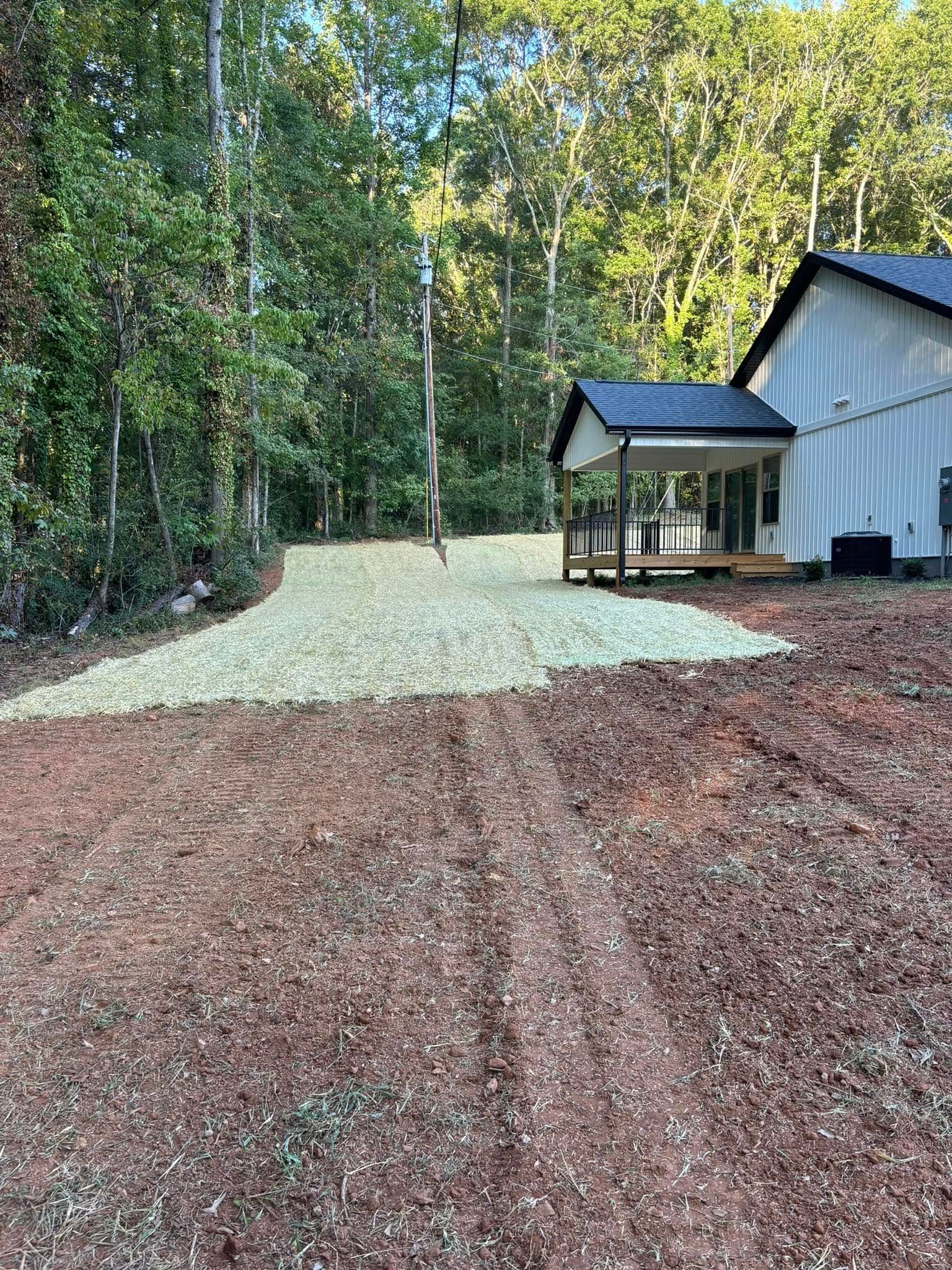
Freshly graded lots, construction sites, and areas disturbed by excavation leave soil exposed without the established roots that normally help hold it together. In Greenville, heavy rainfall can quickly turn that loose surface into runoff and sediment, particularly where a slope directs water toward a lower part of the property. Hydroseeding provides a way to establish vegetation across larger areas of exposed ground more evenly than scattering seed by hand, making it useful for properties where bare soil needs coverage after grading, construction, or other site work.
For over 15 years, JP Grading has provided experienced hydroseeding in Greenville, SC, working residential, commercial, and agricultural properties across the area. Every hydroseeding job starts with a walk of the property first, so the crew knows which areas genuinely need coverage and which ground is already stable, rather than spraying a blanket seed mix over the whole site and hoping it holds. That distinction saves clients money and gets grass established faster where it actually counts.
About Greenville, SC
Greenville sits in a stretch of rolling, hilly terrain and has grown from a population of 58,409 at the 2010 census to more than 75,000 residents today, a jump of roughly 29 percent in fifteen years. That makes it the sixth-largest city in South Carolina, with new development spreading across the city's edges to keep pace with incoming residents.
The city was founded in 1797 and incorporated in 1831, growing up as a mill town before diversifying into the broader economy it has today. Older, established sections sit alongside newer subdivisions built within the last two decades, a mix that shapes how much bare, unstabilized ground exists across the city at any given time.
Rainfall here averages close to 47 inches a year, spread fairly evenly across the calendar rather than concentrated in one season. Combined with the area's hilly grades, that rainfall total means exposed soil rarely gets a long dry stretch to sit undisturbed before the next storm tests whether it stays put.
Managing Slope and Runoff for Hydroseeding in Greenville, SC
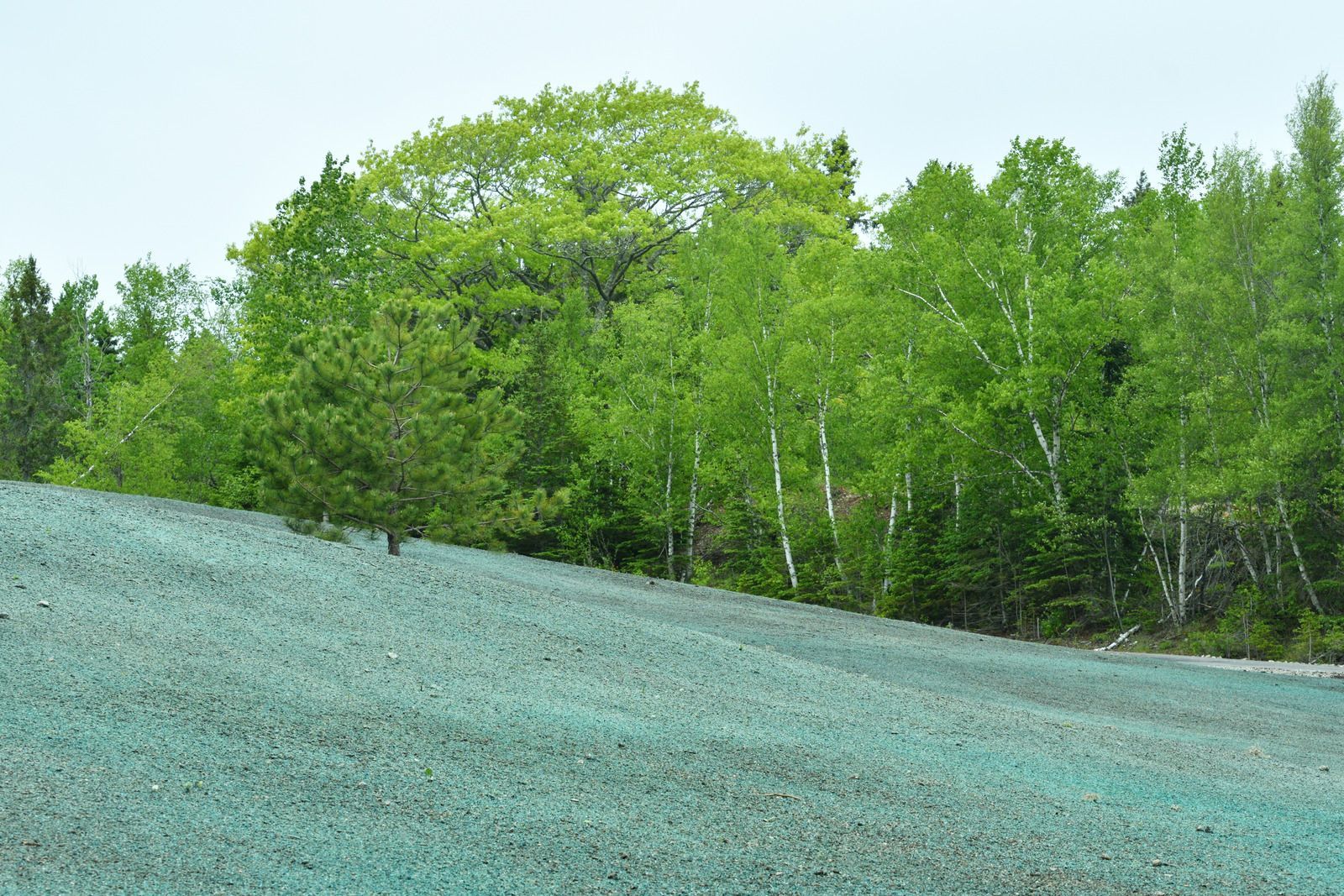
Hilly terrain changes how hydroseeding has to be approached. Water moves faster across a graded slope than it does across flat ground, and seed and mulch applied at a standard rate on level yards can wash downhill before it ever gets a chance to germinate on a steeper grade.
Greenville's close to 47 inches of annual rainfall means a newly seeded slope rarely gets more than a week or two of dry weather before the next storm tests whether the mix actually held. Heavier tackifier application and a denser mulch layer help hydroseed mix bond to sloped ground long enough for roots to establish.
Drainage patterns on a graded lot matter just as much as the slope itself. Water that pools instead of shedding evenly can drown newly sprouted grass just as fast as runoff can strip it away, so reading how a specific property drains before spraying anything is part of getting the job right the first time.
Our Services in Greenville, SC
Seed and Mulch Choices for Hydroseeding in Greenville, SC
A hydroseeding mix combines seed, hydromulch fiber, fertilizer, and a tackifier into a slurry sprayed evenly across the ground, and each ingredient does a specific job. The mulch fiber holds moisture against the seed and shields it from birds and washout, while the tackifier binds the whole mix to the soil surface until roots take hold and the grass can stand on its own.
Seed selection depends on how the area will be used afterward. A cleared building pad headed for a lawn calls for a different blend than a slope being stabilized mainly to stop erosion, and matching the mix to the site's actual purpose keeps a client from paying for coverage that does not fit what the ground actually needs once it fills in.
Germination typically begins within one to two weeks under normal conditions, though soil temperature and rainfall both affect that timeline noticeably. Consistent moisture during those first couple of weeks matters more than almost anything else for getting grass established before erosion has another chance to take hold of exposed ground.
Why Greenville, SC Residents Trust JP Grading
Fifteen years spent hydroseeding properties across Greenville, SC has taught JP Grading that hydroseeding is as much about reading a property correctly as it is about the spray equipment itself, and that expert habit carries into every job. Rushing past that first walk-through is where most coverage problems start, long before the first drop of slurry ever gets applied.
Matching seed and mulch rates to a property's actual slope and soil condition, rather than applying the same blend everywhere, is what keeps newly seeded ground from washing out during Greenville's next storm. That attention shows up in how evenly grass establishes across a job from one edge of the lot to the other.
Freshly graded lots, storm-damaged yards, and cleared building pads all get that same careful approach from us. Getting groundcover established quickly protects the grading and excavation work already done, so a finished project stays finished instead of washing away the first time a hard rain moves through the area.
Hire Us! Professional Hydroseeding in Greenville, SC
When you hire JP Grading for professional hydroseeding in Greenville, SC, the process starts with a walk of the property together so we can see the actual slope, soil condition, and drainage pattern before quoting anything. We would rather assess quality hydroseeding needs in Greenville, SC in person than guess coverage from a phone description alone.
From there we talk through timing, since freshly graded or cleared ground benefits from getting seeded as soon as possible after the dirt work wraps up. Waiting too long just gives erosion more time to undo the grading work that was already paid for, so we try to schedule quickly once a site is ready.
Newly cleared lots, storm-damaged yards, and sloped sections that need durable hydroseeding in Greenville, SC all fall within what we regularly handle for property owners across the area. Send us a message with a few details about the property and what led to the bare ground, and we will scope the job honestly before anything gets sprayed.
Frequently Asked Questions
1. How soon can I walk on or mow hydroseeded grass?
Most lawns are ready for light foot traffic within three to four weeks, once grass reaches a consistent height. Mowing should wait until the new grass has been cut at least once by hand-guided equipment to avoid pulling up shallow, newly established roots.
2. What's the best time of year for hydroseeding in Greenville?
Early fall and spring generally give seed the mildest temperatures and steadiest moisture to establish before summer heat or winter cold sets in. We can hydroseed outside those windows too, just with closer attention to watering.
3. Is hydroseeding a practical choice compared to sod for a new build?
It often is, especially on larger or irregular lots. The mix adapts well to sloped or uneven ground where laying sod would be impractical, while sod gives more immediate coverage for a smaller area that needs to look finished right away.
4. Can hydroseeding stabilize a steep or eroding slope?
Yes, that is one of its strongest uses. The mulch and tackifier bond seed to sloped ground and resist washout better than dry seed alone, making it a common choice for erosion-prone grades after grading work wraps up.
5. What kind of watering schedule does hydroseeded ground need?
Consistent, light watering during the first two to three weeks matters most, keeping the mulch layer damp without pooling water on the surface. That watering frequency can gradually taper off once the grass is visibly established and growing on its own.
6. Can you hydroseed a lot right after land clearing or demolition?
Yes, and it is one of the more common sequences we see. Once clearing or demolition debris is hauled off and the ground is graded, hydroseeding gives the exposed soil coverage before erosion or weeds take hold of the bare lot.
7. What's actually in a hydroseed mix?
A typical mix combines grass seed, hydromulch fiber, starter fertilizer, and a tackifier that binds everything to the soil surface. The exact seed blend gets chosen based on how the area will be used once it fills in.
8. How do I get a hydroseeding project started with JP Grading?
Send us a message with some details about the property and what led to the bare ground, whether that's new construction, storm damage, or clearing work. We'll walk the site and scope coverage honestly before spraying anything.
1. How soon can I walk on or mow hydroseeded grass?
Most lawns are ready for light foot traffic within three to four weeks, once grass reaches a consistent height. Mowing should wait until the new grass has been cut at least once by hand-guided equipment to avoid pulling up shallow, newly established roots.
2. What's the best time of year for hydroseeding in Greenville?
Early fall and spring generally give seed the mildest temperatures and steadiest moisture to establish before summer heat or winter cold sets in. We can hydroseed outside those windows too, just with closer attention to watering.
3. Is hydroseeding a practical choice compared to sod for a new build?
It often is, especially on larger or irregular lots. The mix adapts well to sloped or uneven ground where laying sod would be impractical, while sod gives more immediate coverage for a smaller area that needs to look finished right away.
4. Can hydroseeding stabilize a steep or eroding slope?
Yes, that is one of its strongest uses. The mulch and tackifier bond seed to sloped ground and resist washout better than dry seed alone, making it a common choice for erosion-prone grades after grading work wraps up.
5. What kind of watering schedule does hydroseeded ground need?
Consistent, light watering during the first two to three weeks matters most, keeping the mulch layer damp without pooling water on the surface. That watering frequency can gradually taper off once the grass is visibly established and growing on its own.
6. Can you hydroseed a lot right after land clearing or demolition?
Yes, and it is one of the more common sequences we see. Once clearing or demolition debris is hauled off and the ground is graded, hydroseeding gives the exposed soil coverage before erosion or weeds take hold of the bare lot.
7. What's actually in a hydroseed mix?
A typical mix combines grass seed, hydromulch fiber, starter fertilizer, and a tackifier that binds everything to the soil surface. The exact seed blend gets chosen based on how the area will be used once it fills in.
8. How do I get a hydroseeding project started with JP Grading?
Send us a message with some details about the property and what led to the bare ground, whether that's new construction, storm damage, or clearing work. We'll walk the site and scope coverage honestly before spraying anything.
CLIENT TESTIMONIALS
I've used Justin (JP Grading, LLC) a couple times and he does great work at a fair price. The quality is outstanding and he's prompt, courteous and professional!!
Jeffery H.
Justin is very responsive and on top of everything! He pays attention to details. I enjoyed working with him. Will definitely work him on other projects!
Carlos T.
Excellent worker did a great job ‘
Gene C.